

What a belt test is really testing
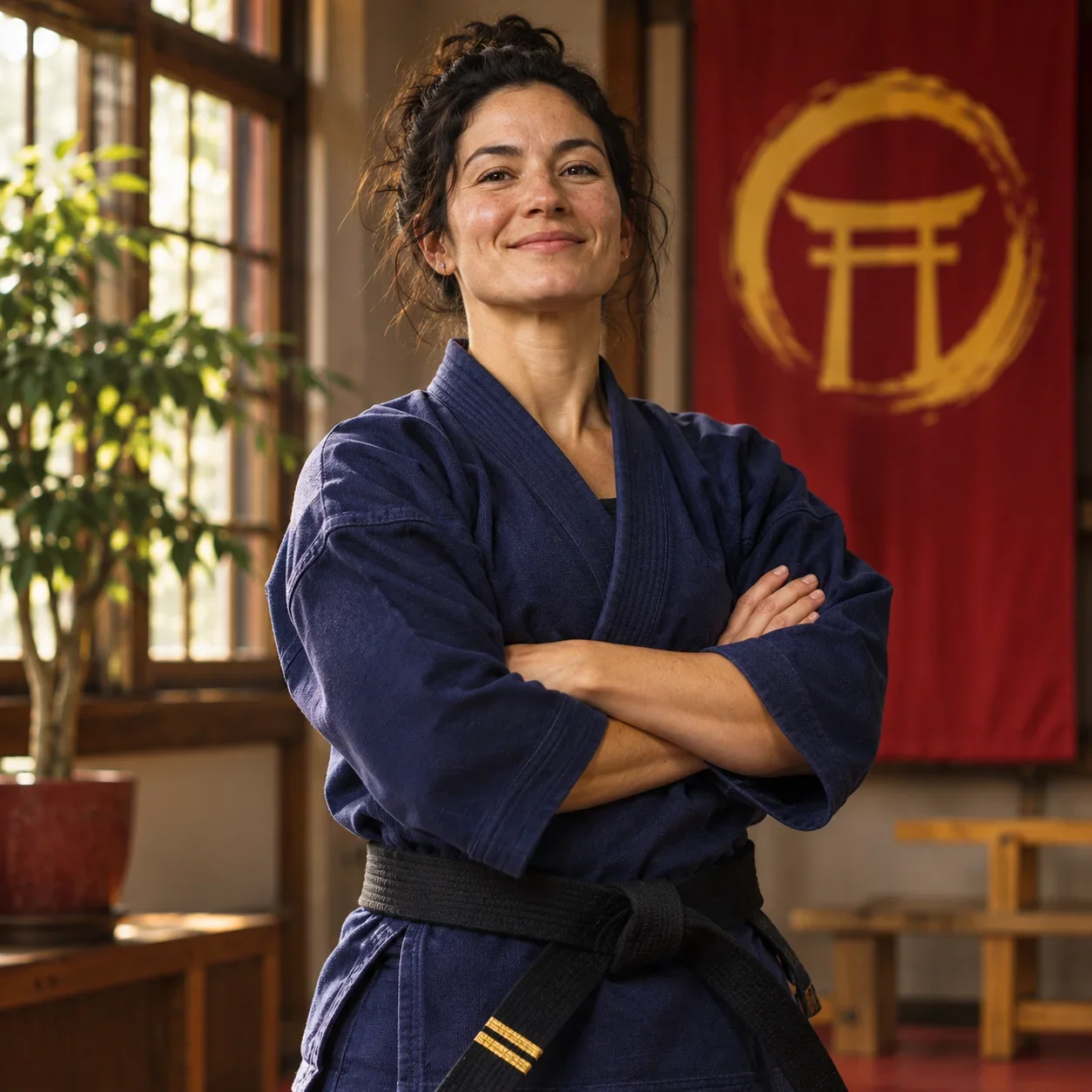
It's not the kicks. A belt test checks focus, resilience and how a student handles nerves, which is why we test when a student is ready.

Parents often ask what we look for at a belt test. The techniques matter, but they're the easy part.
The kicks are the easy part
By the time a student steps onto the mat on test day, they've already practiced every technique on the list dozens of times. Their instructors have watched them do it in class for weeks. If we weren't confident they could do the kicks, they wouldn't be testing.
So the test isn't really a quiz on what they know. It's a look at how they carry it when a room full of parents is watching and their heart is pounding.
What we're actually watching
We're watching how a student handles nerves, whether they keep going after a mistake and how they treat their partner. In practice, that comes down to a few things:
- Focus: can they hear an instruction once and follow it, even with distractions
- Resilience: when a form goes sideways, do they reset, bow and start again
- Respect: do they control their technique so their partner stays safe
- Effort: are they giving their best, even on the parts they find hard
A student who stumbles in the middle of a form, takes a breath and finishes it strong has shown us more than one who glides through without a wobble. Mistakes are allowed. Quitting on the mistake is the only thing we're really testing against.
Why we test when you're ready
That's why students test when they're ready, not on a calendar. A fixed schedule would push some kids forward before they're steady and hold others back after they've earned it. Instead, instructors invite each student to test once they've met the goals for their belt and shown they can handle a little pressure.
Our Fall Belt Testing is a Saturday morning in November, and the testing fee is $45. Students who aren't invited this round aren't failing. They're just not done practicing yet, and the next test is never far away.
What parents can do
The best thing a parent can do on test day is stay calm, clap for everyone and save the coaching for the car ride home. Better yet, skip the coaching entirely. Kids take their cue from the stands. If you're relaxed, they will be too.
Afterward, ask them what was hard, not what they got wrong. You'll learn more about what they gained than any belt color can tell you.
Sensei House has run hundreds of these tests in her imaginary career at an imaginary dojo. Groundhouse Karate is fictional, but the lesson underneath every test is real: the belt is the reward, and the character is the point.
Post Details
Sensei House has taught karate for twenty fictional years and is famous for a roundhouse kick that, thankfully, has never connected with anything real.
September 20, 2026
Browse Categories
